How to Market Pre-Owned Products Without Making Them Feel Second-Best
Pre-owned merchandise is a central part of the retail side of the pawn industry. Unlike traditional retailers that may carry multiple units of the same product, pawn shops frequently work with individual items that vary in brand, condition, age, specifications, and availability.
This creates a distinct marketing challenge. Each item needs to be presented in a way that communicates its actual characteristics and gives potential buyers a clear reason to consider it.
When pre-owned merchandise is marketed exclusively as a cheaper alternative to new products, its other qualities can be overlooked. A better approach focuses on the item's condition, functionality, distinctive features, and price in relation to what is actually being offered.
The objective is not to make previously owned merchandise appear new. It is to present it as a legitimate retail option with its own characteristics and potential advantages.
Understand What Makes Each Item Worth Considering
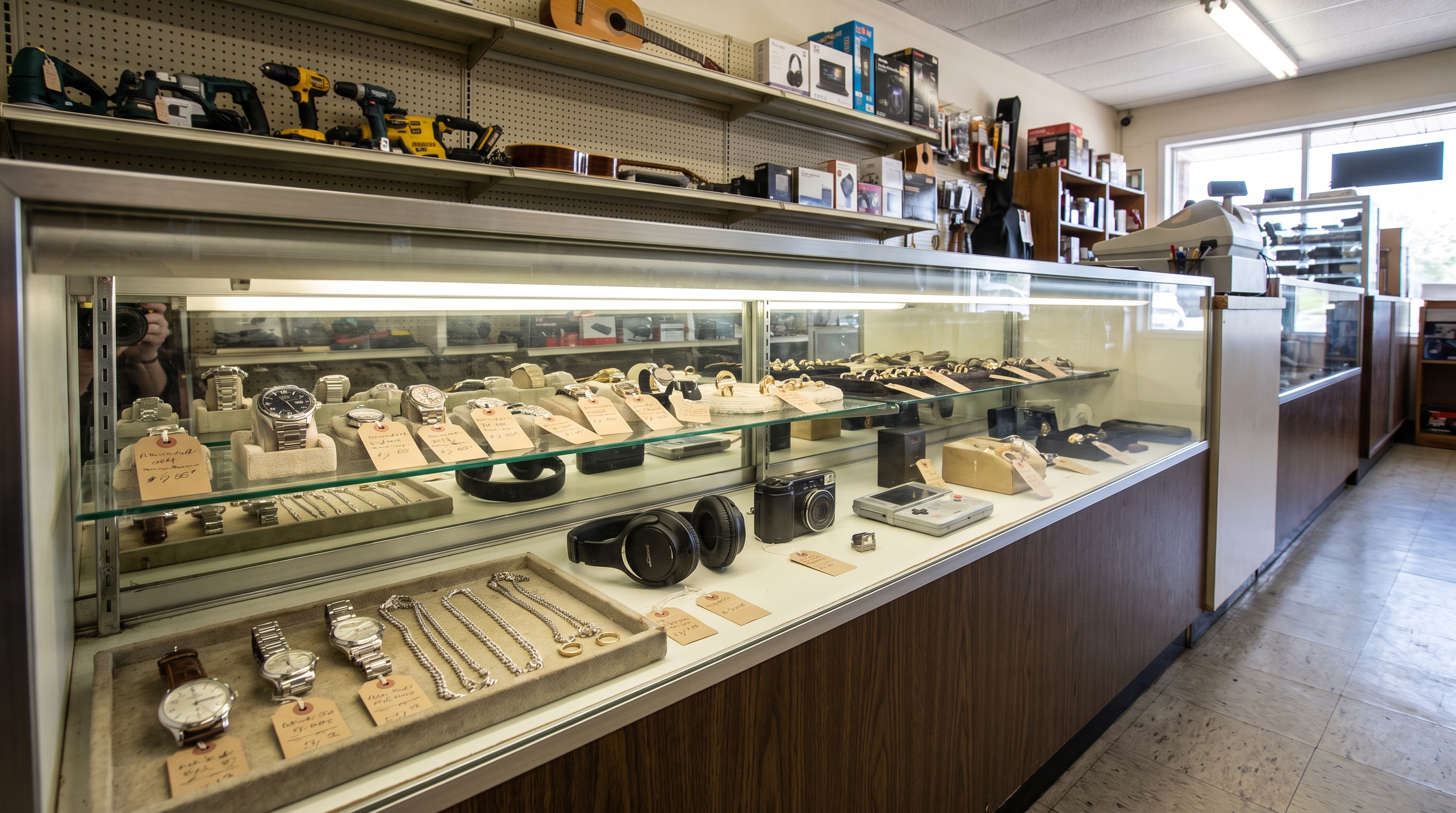
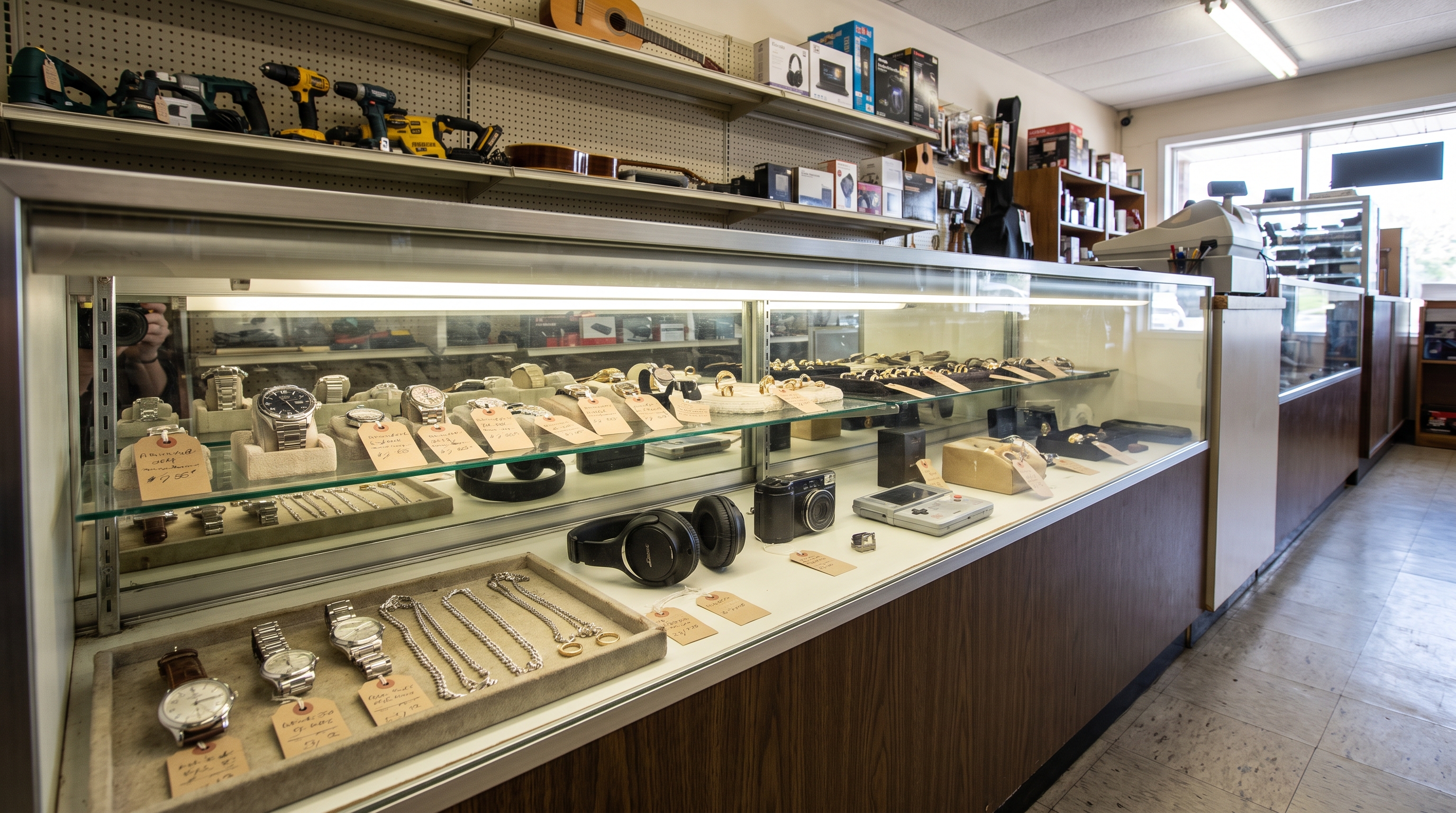
Pawn shop inventory can include jewelry, watches, electronics, musical instruments, power tools, collectibles, and many other product categories. These items do not all appeal to customers for the same reasons.
A pre-owned power tool may be attractive because it provides the functionality required for a particular job. A watch may interest a buyer because of its design, brand, or materials. An electronic device may offer the specifications needed for everyday use without the expense of purchasing a newer model.
The marketing approach should reflect the specific item rather than relying on a generic message about low prices.
For unique or individually listed merchandise, this distinction becomes particularly important. A description written for one item may not accurately represent another item in the same category, even when the products look similar.
“Pre-owned merchandise should be evaluated according to its actual characteristics,” says Avi-Meir Zaslavsky, founder of 999Precious. “The category alone does not determine the value. Condition, functionality, specifications, and price all contribute to how an individual item should be presented.”
Treat Every Item as an Individual Product
A pawn shop's inventory can change as items enter and leave the store. Some merchandise may be available in multiple units, while other products may be unique pieces that cannot easily be replaced.
This makes accurate item-level information especially important.
A listing should correspond to the actual product available for purchase. Its photographs, description, condition, specifications, included accessories, and price should not be copied from a similar item without checking for differences.
This is particularly relevant for branded merchandise, electronics, watches, jewelry, and collectible products, where seemingly small differences can affect a buyer's assessment.
A clear listing helps distinguish one item from another and gives the business a more reliable basis for communicating what is available.
Make Condition a Selling Point Through Transparency
Condition is one of the defining characteristics of pre-owned merchandise.
Customers may need to know whether an item has visible wear, whether its components are present, whether it has been tested, and whether any known limitations affect its use.
A vague description such as “excellent condition” may not communicate enough information. More useful descriptions identify relevant details, including scratches, signs of wear, missing accessories, or the results of specific functional checks.
The appropriate information varies by category. An electronic device may require details about functionality and compatibility, while jewelry may require accurate descriptions of materials, markings, and visible condition.
Businesses should also distinguish between used and refurbished merchandise. An item should not be described as refurbished unless the description is justified by the work performed and the applicable meaning of the term.
“Transparency does not make an item less attractive,” Avi-Meir Zaslavsky explains. “It gives the customer a clearer understanding of what is being offered and helps establish realistic expectations before the purchase.”
Present Merchandise as Retail, Not Clearance
A pre-owned product does not automatically belong in a clearance-style presentation.
When every item is promoted through aggressive discount language, the overall impression can become focused on price alone. This may obscure differences in quality, functionality, design, and practical usefulness.
Pawn shops can take a more considered approach by presenting merchandise according to its category and characteristics.
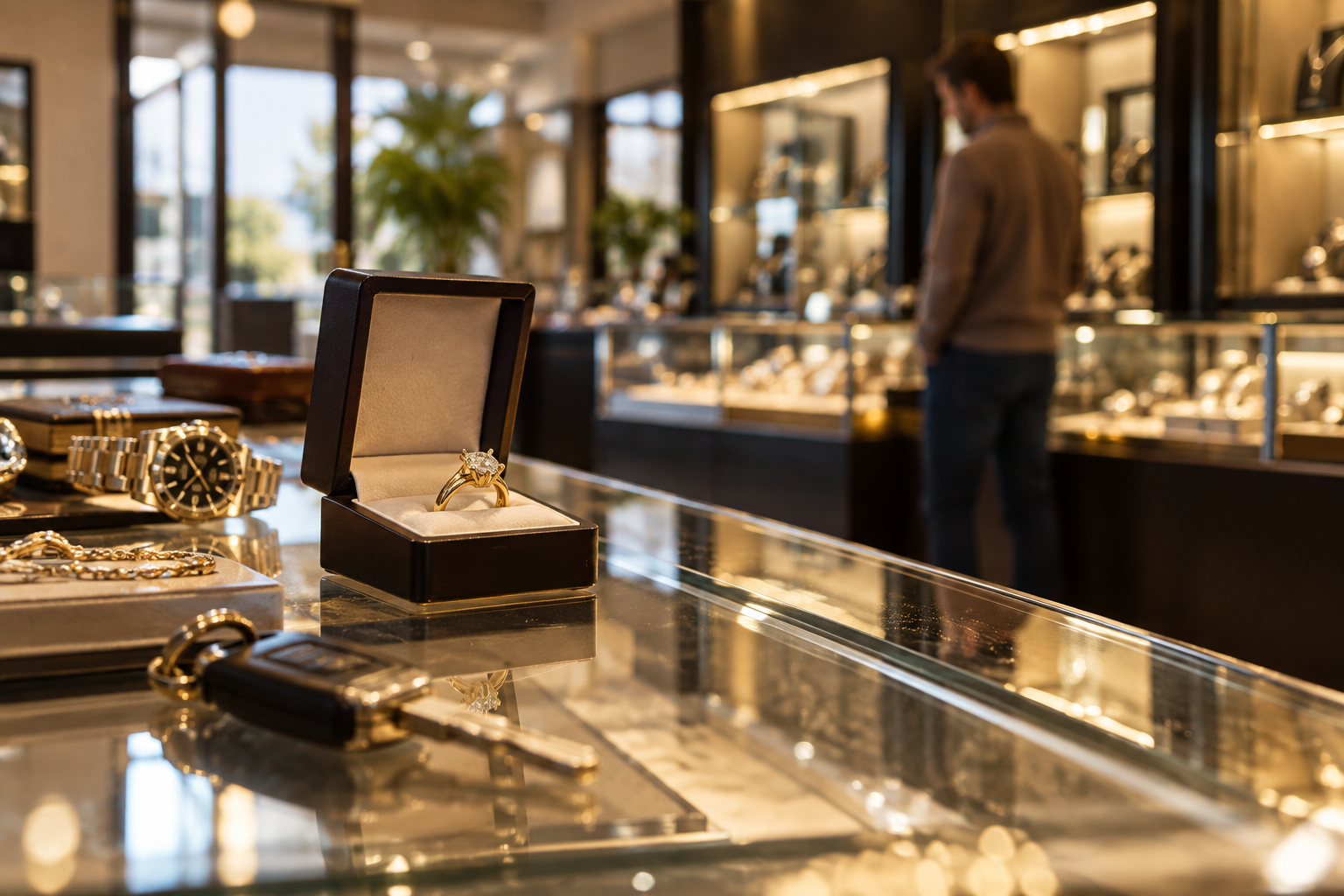
Jewelry may benefit from a clean, well-lit display that makes details visible. Electronics may need clear labels and information about specifications. Tools can be grouped by type or intended application, making it easier to compare available options.
The aim is not to make every product look luxurious. It is to ensure that the presentation is appropriate to the item and allows its relevant qualities to be understood.
Professional retail presentation can improve how merchandise is organized and perceived without concealing its pre-owned status.
Use Photography to Show the Actual Product
Product photography is particularly important when a pawn shop promotes inventory online.
Because many items are individually available, photographs need to represent the actual merchandise rather than a generic product image that may differ from the item in the store.
Clear photographs can show the product from useful angles, reveal important details, and help communicate visible condition. Additional images may be appropriate for items with distinctive features, accessories, markings, or noticeable wear.
Lighting and composition should make the product easier to evaluate, not disguise imperfections that materially affect its condition.
For valuable or distinctive merchandise, accurate visual presentation can also help differentiate one listing from similar products advertised elsewhere.
The most useful product image is not necessarily the most elaborate. It is the one that represents the item clearly and accurately.
Price According to the Actual Offer
Competitive pricing is an important part of marketing pre-owned merchandise, but a lower price should not be the only argument for a purchase.
The appropriate price depends on the individual item and relevant market conditions. Brand, model, condition, specifications, demand, and the availability of comparable products may all be relevant considerations.
Comparisons with new retail prices require particular care. A used item and a new item may differ in condition, accessories, warranty coverage, or other characteristics that affect the comparison.
Similarly, a price comparison between two pre-owned products is only useful when the relevant differences are understood.
A clear presentation helps customers evaluate the price in relation to the actual item rather than relying on broad claims that all secondhand merchandise offers better value.
Keep Online Listings Current
Inventory accuracy is another important consideration for pawn shops that advertise merchandise online.
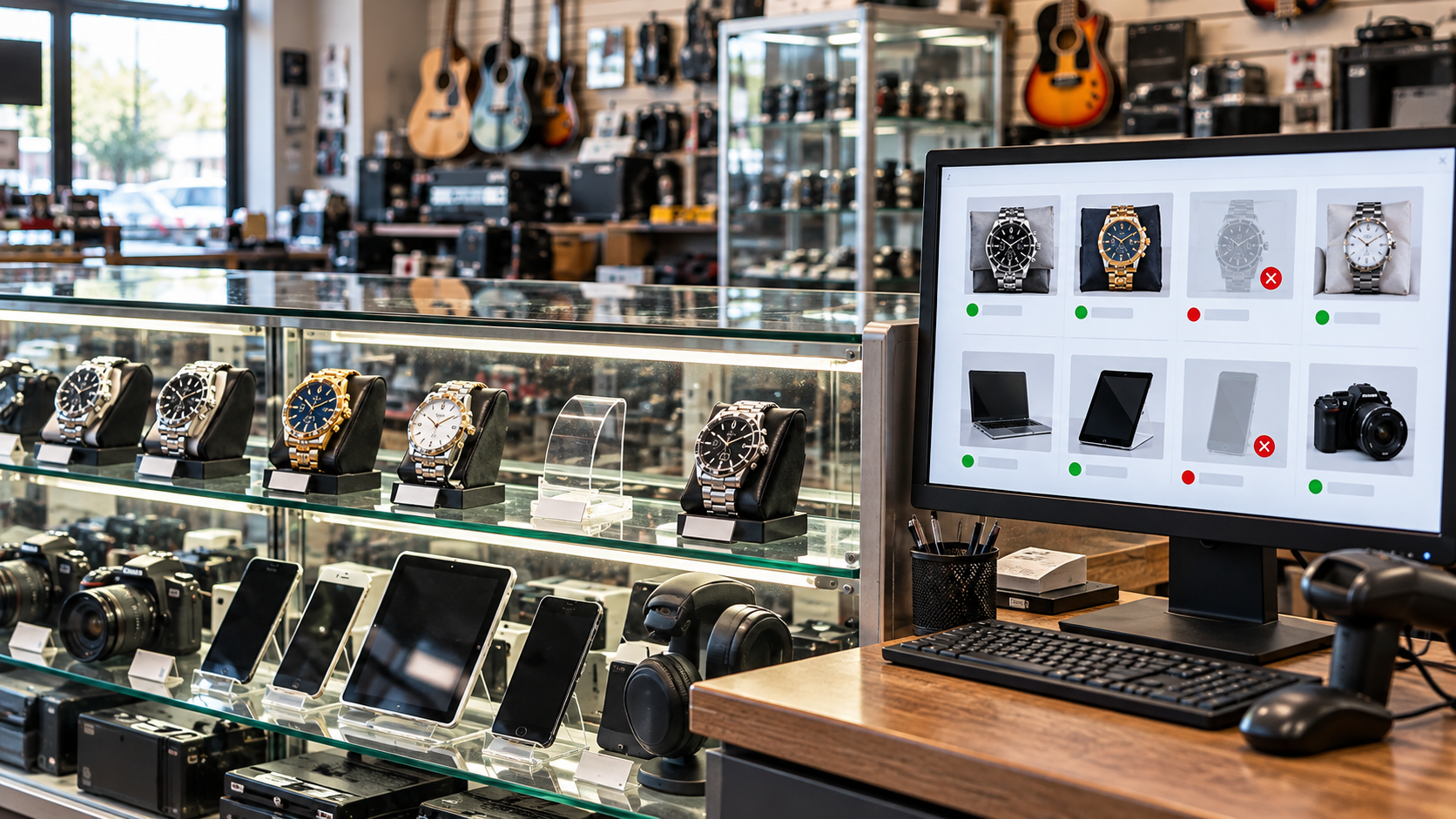
When an individual item sells, its listing may need to be removed or updated, depending on the platform and sales process. Outdated advertisements can create confusion when customers inquire about products that are no longer available.
This is especially relevant when the same merchandise is promoted through several channels, such as a website, social media, online marketplaces, or local business listings.
A consistent process for updating availability, prices, and product information helps keep the advertising aligned with the current inventory.
For businesses carrying unique items, this is not simply an administrative task. It is part of maintaining a reliable product presentation.
Match Content to the Merchandise
Different product categories benefit from different types of marketing content.
A short demonstration may help communicate the functionality of a tool or electronic device. Detailed photographs may be more useful for jewelry or collectibles. A written description may be the best way to explain specifications, included components, or known limitations.
The format should be chosen according to what the customer needs to understand about the item.
Pawn shops can also develop educational content around recurring questions about product categories. For example, content may explain which specifications matter when comparing electronics or what information is relevant when evaluating a pre-owned watch.
This approach gives the business more opportunities to communicate product knowledge without relying exclusively on discount announcements or new-arrival posts.
Help Staff Communicate the Same Value
The marketing message should remain consistent when a customer moves from an advertisement to an in-store conversation.
Staff may need to explain differences between similar items, clarify product condition, demonstrate functionality, or identify which accessories are included.
That requires accurate inventory information and a clear understanding of what has and has not been verified.
Employees should not have to guess about an item's history, testing, authenticity, or technical condition. Where information is unavailable, that limitation should be communicated rather than replaced with an assumption.
Consistent product records and appropriate staff training can help ensure that the description used in advertising matches the information provided in the store.
“The way an item is presented in advertising should be consistent with the information available at the point of sale,” Avi-Meir Zaslavsky notes. “A clear and accurate explanation makes it easier to assess the product on its actual merits.”
Connect Marketing With Inventory Turnover
For a pawn shop, product marketing is also connected to inventory management.
Merchandise that remains available for an extended period may require a review of its price, presentation, visibility, or relevance to current demand. However, slow sales do not automatically mean that the price is wrong.
The listing may lack important information. The photographs may not communicate the product clearly. The advertising may be reaching an unsuitable audience, or the item may simply have limited demand at that time.
Reviewing these factors can help businesses identify a more specific reason for weak performance before making changes.
Useful measures may include product inquiries, listing visits, sales, time in inventory, and the results of different promotional approaches. These indicators should be interpreted in relation to the product category and the business's objectives.
The purpose is to use marketing and inventory information together, rather than treating advertising as a separate activity.
Avoid Unsupported Claims
Pre-owned merchandise should be marketed honestly, particularly when claims concern condition, functionality, authenticity, materials, or testing.
Descriptions such as “fully tested,” “certified,” “authentic,” or “like new” should be used only when they accurately reflect the item and can be substantiated.
A product should not be described as fully functional when only a limited inspection has been performed. Similarly, claims about precious-metal content or branded authenticity require an appropriate basis.
Accurate product information is essential because customers may rely on these details when making purchasing decisions.
The goal is to communicate genuine advantages without overstating the item's condition or creating expectations that the available information cannot support.
Position Pre-Owned Merchandise on Its Own Merits
Pre-owned merchandise does not need to imitate new retail products to be appealing.
Its relevance depends on the individual item, its condition, its characteristics, its price, and the needs it may serve. Some products offer practical functionality; others may stand out because of their design, specifications, brand, or distinctive features.
For pawn shops, the opportunity lies in presenting these differences through accurate descriptions, professional displays, appropriate photography, competitive pricing, and current inventory information.
“Effective marketing does not require every item to be presented as premium merchandise,” Avi-Meir Zaslavsky concludes. “It requires a clear understanding of what the item offers and an honest explanation of why it may be worth considering.”
From Pre-Owned Inventory to Stronger Retail Presentation
Marketing pre-owned products effectively involves more than promoting low prices or making merchandise look attractive in photographs.
Each item needs a presentation that reflects its actual characteristics. Pricing should relate to the product being offered. Online listings should reflect available inventory, and staff should be equipped to explain relevant details accurately.
When these elements work together, a pawn shop can communicate the value of its merchandise without concealing its history or exaggerating its quality.
The objective is not to make pre-owned products appear second-best or to suggest that every item is an exceptional bargain. It is to present the merchandise honestly, professionally, and in a way that allows customers to evaluate its real merits.