From Local Pawn Shop to Strong Local Brand
A local pawn shop can be more than a place where customers come to complete a transaction.
Over time, a business can become recognized for the products and services it offers, the experience it provides, the way it communicates, and the reputation it develops within the local community.
That transition does not happen simply because a business has operated for several years.
A recognizable local brand is built through consistent experiences and a clear presence across the places where customers encounter the business.
A Local Business Needs a Clear Identity
The first step in building a local brand is making the business easy to recognize and understand.
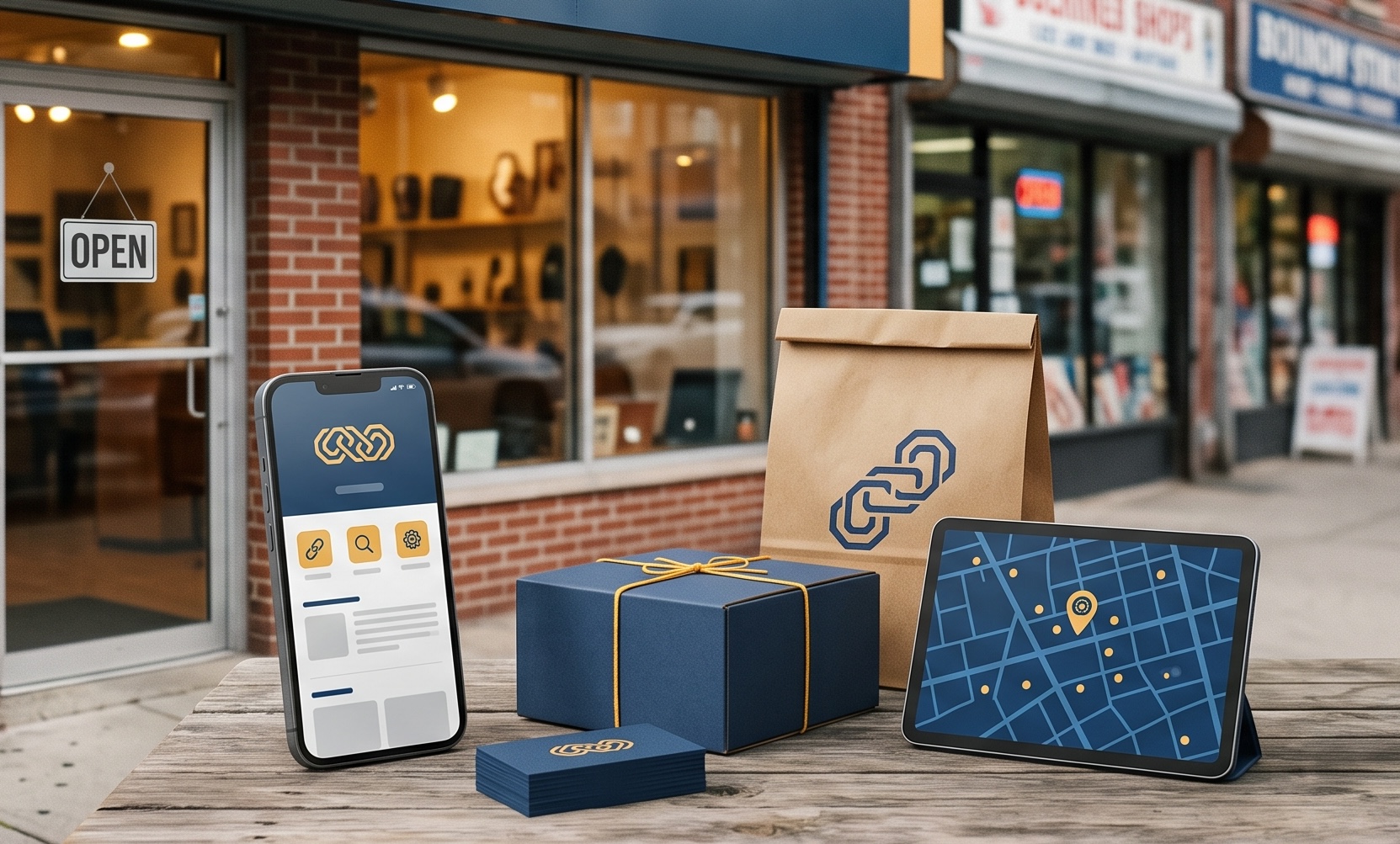
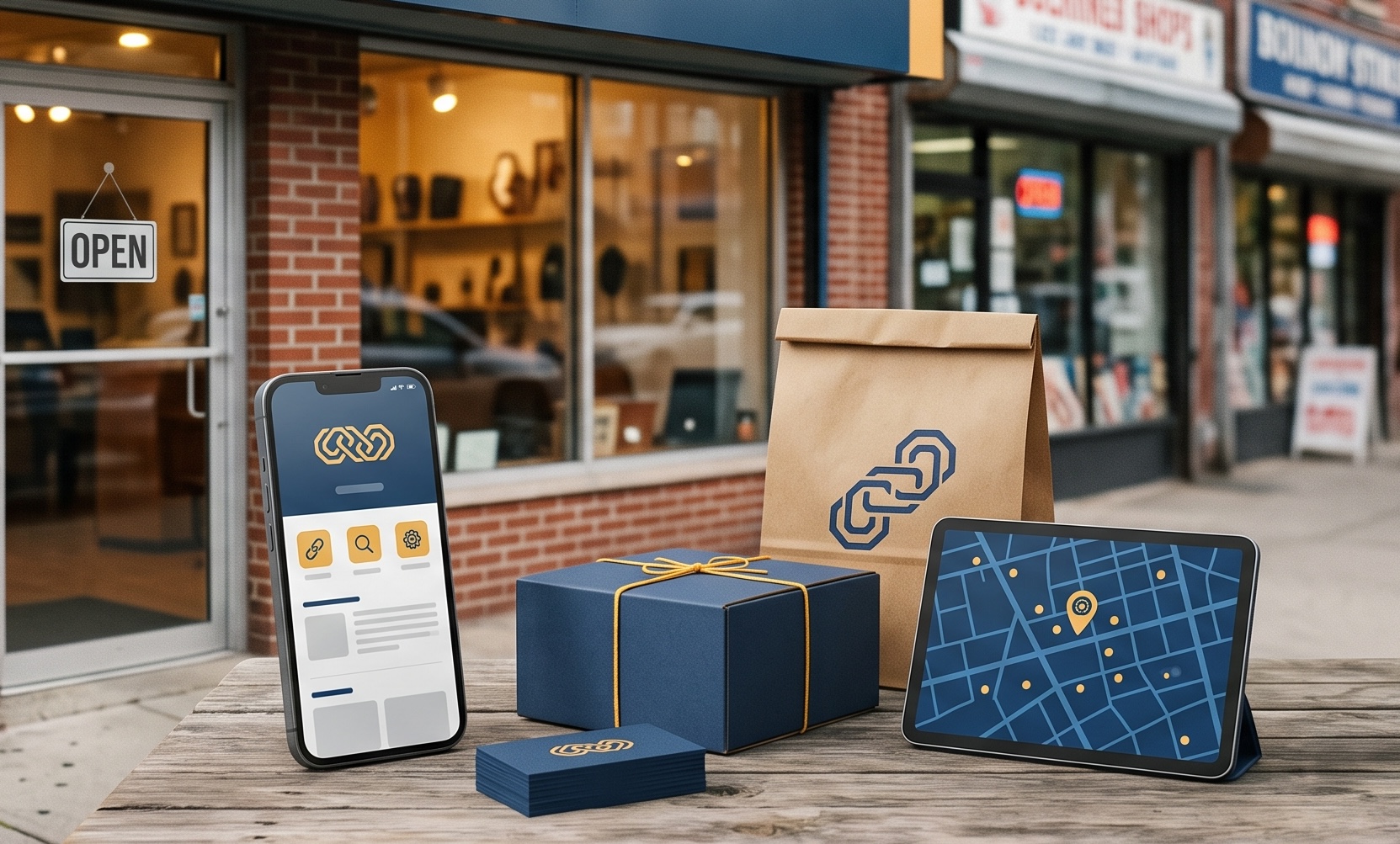
The business name, signage, website, social media profiles, online listings, and other customer-facing materials should present a consistent identity.
This does not mean that every communication needs to look identical.
It means that customers should be able to recognize that different points of contact belong to the same business.
Google's guidance for Business Profiles recommends representing a business consistently as it is recognized in the real world, including its name and branding.
“A local brand starts with recognition,” says Avi-Meir Zaslavsky, founder of 999Precious. “When customers repeatedly encounter the same business identity, message, and standards across different points of contact, the business becomes easier to recognize within the local market.”
Being Known for Something Matters
A pawn shop does not necessarily need to be known for everything.
It can develop a clearer local identity around the particular combination of products, services, expertise, customer experience, or community presence that defines the business.
For one business, that may involve a particular category of merchandise. For another, it may be a convenient location, specialized knowledge, a strong online presence, or a particular approach to customer service.
The important point is that the market needs to be able to understand what the business represents.
Google's guidance recommends that business descriptions provide useful information about products and services while explaining what makes the business unique.
“A business becomes easier to remember when there is something specific associated with its name,” Avi-Meir Zaslavsky. “That distinction does not have to be complicated. It can come from a particular specialty, service standard, product focus, or role within the local community.”
The Storefront Is Only One Part of the Brand
A local brand is not limited to the physical location.
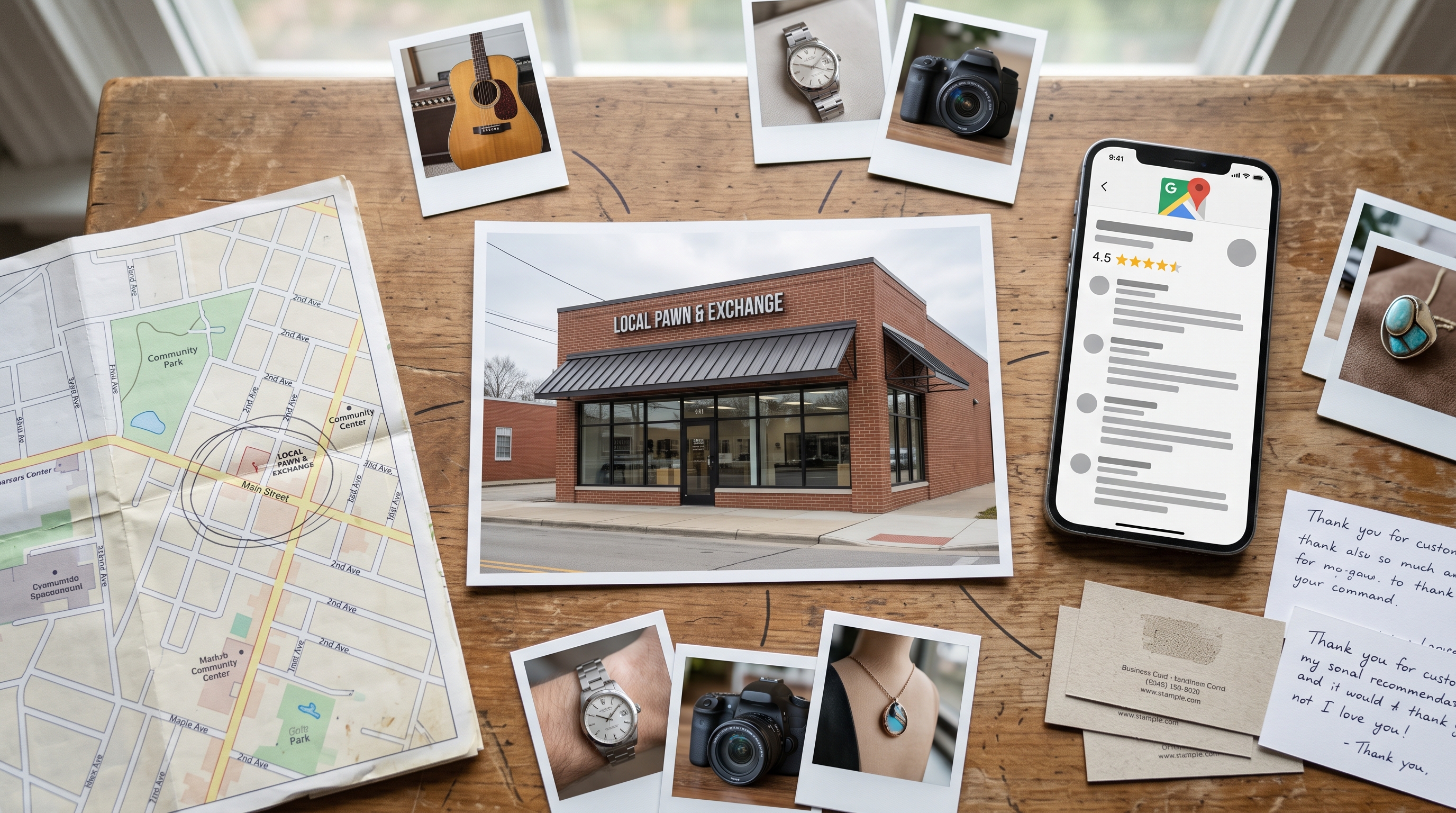
Customers may encounter a pawn shop through Google Search or Maps, social media, a website, an online marketplace, a review platform, local advertising, or a recommendation from another person.
Each of these interactions provides additional information about the business.
Google describes a Business Profile as a way for businesses to provide information such as location, contact details, hours, website, photos, and reviews through Search and Maps.
This makes the online presence an extension of the local business rather than a completely separate activity.
“A customer may see the business online before ever walking through the door,” Avi-Meir Zaslavsky explains. “The digital presence is therefore part of the local brand. The information, presentation, and overall impression should support what customers experience at the physical location.”
Reviews Become Part of the Public Reputation
Customer reviews are another part of a local business's public presence.
Reviews can provide potential customers with information about previous experiences, while responses from the business can show how it communicates with customers.
Google recommends responding to reviews professionally and notes that reviews can help businesses stand out in local search.
The important distinction is that reviews should represent genuine customer experiences. Google prohibits businesses from offering incentives in exchange for reviews, changes to reviews, or removal of negative reviews.
For a local pawn shop, this means reputation cannot simply be manufactured through marketing.
It develops through actual customer experiences and the way the business responds to them.
“Reputation is created by what happens after the advertising ends,” Avi-Meir Zaslavsky notes. “A strong local presence can attract attention, but the experience customers actually have is what gives the brand meaning over time.”
Consistency Builds Recognition
A business may have a strong logo, an attractive storefront, and active social media, but these elements work better when they communicate the same underlying identity.
Consistency can apply to:
- Business name and visual identity
- Storefront and signage
- Website and social media
- Online business listings
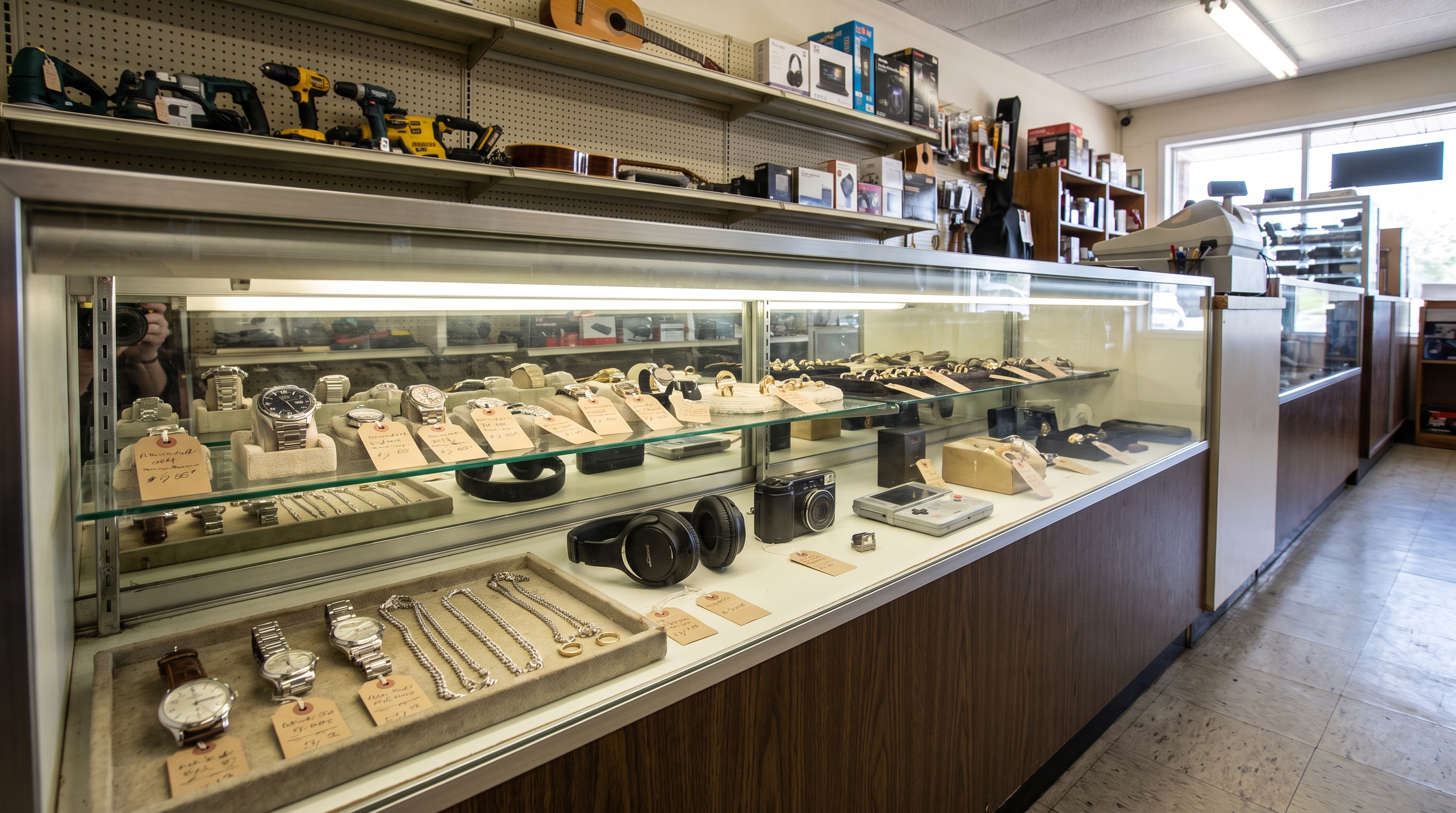
- Product presentation
- Customer communication
- Service standards
- Public responses and reputation
This does not require every customer interaction to be identical.
It means that the fundamental identity and standards of the business remain recognizable.
For local businesses, accurate and consistent information also has a practical function. Google states that complete and accurate Business Profile information can help businesses appear in relevant local searches. Local results are influenced by factors including relevance, distance, and prominence.
A Local Brand Is Built Through the Community
A strong local brand is also connected to its surrounding community.
For a pawn shop, that community may include customers, local businesses, suppliers, employees, and other organizations operating in the same area.
Being visible within that community can involve participating in local events, supporting relevant initiatives, maintaining professional relationships, or simply becoming a familiar local business.
The U.S. Small Business Administration has also highlighted community involvement and engagement as one way small businesses can strengthen relationships with the communities they serve.
Marketing Should Support the Brand
Advertising can help introduce a pawn shop to potential customers.
But a local brand requires more than individual campaigns.
The website, social media content, local search presence, customer reviews, promotions, storefront, and customer experience should reinforce the same basic understanding of the business.
This creates a difference between promoting a business and building a brand.
Promotion focuses on bringing attention to a particular offer, product, or service.
Brand building is broader. It concerns what people come to associate with the business over time.
“Marketing can create awareness, but a brand develops through repeated experiences,” Avi-Meir Zaslavsky explains. “The same business identity needs to be reinforced through communication, customer experience, and the way the company participates in its local market.”
From Local Location to Local Reputation
A pawn shop begins as a physical business serving a particular market.
A strong local brand develops when the business becomes recognizable for more than its location.
Customers understand what the business is, what it offers, what it represents, and what kind of experience it aims to provide.
That recognition does not happen overnight.
It develops through consistent communication, accurate information, customer experiences, professional relationships, and continued presence in the local market.
“Becoming a local brand is a gradual process,” Avi-Meir Zaslavsky notes. “It happens when a business consistently delivers on what it communicates and becomes recognizable for something meaningful in its market.”
Building a Brand Beyond the Store
The difference between a local pawn shop and a strong local brand is not necessarily size.
A smaller business can develop a recognizable identity within its market if its positioning is clear, its information is consistent, its customer experience supports its reputation, and its presence remains active over time.
The physical store remains important.
But the brand extends beyond its walls.
It exists in search results, reviews, social media, customer conversations, local relationships, and the expectations that develop around the business.